BRAIN
Play supports the skills children use to focus, remember instructions, plan, adapt, and solve problems.
READ · American Academy of Pediatrics ↗Recess is not empty time. It is part of how children build bodies, brains, friendships, and futures.
THE PUBLIC-HEALTH CASE
“Play is not frivolous: it enhances brain structure and function and promotes executive function.”American Academy of Pediatrics · clinical report
RESEARCH DESK
EIGHT EFFECTS—INCLUDING THE ONES WE MISS
Play supports the skills children use to focus, remember instructions, plan, adapt, and solve problems.
READ · American Academy of Pediatrics ↗Play can reduce stress, help children process difficult emotions, and build emotional resilience.
READ · UNICEF Parenting ↗Regular movement supports aerobic fitness, stronger muscles and bones, and healthy growth.
READ · American Heart Association ↗Activity is linked with attention, memory, academic performance, and less distracting classroom behavior.
READ · American Heart Association ↗Child-directed games create practice in communication, negotiation, cooperation, sharing, and conflict resolution.
READ · American Academy of Pediatrics ↗Unlike a coached lesson, recess lets children choose, invent, lead, and practise self-regulation together.
READ · American Academy of Pediatrics ↗Enjoyable movement in childhood can help establish active habits while lowering future health risks linked with inactivity.
READ · U.S. CDC ↗Enough equipment, inclusive choices, clear spaces, and adult planning can make recess safer and more usable.
READ · American Academy of Pediatrics ↗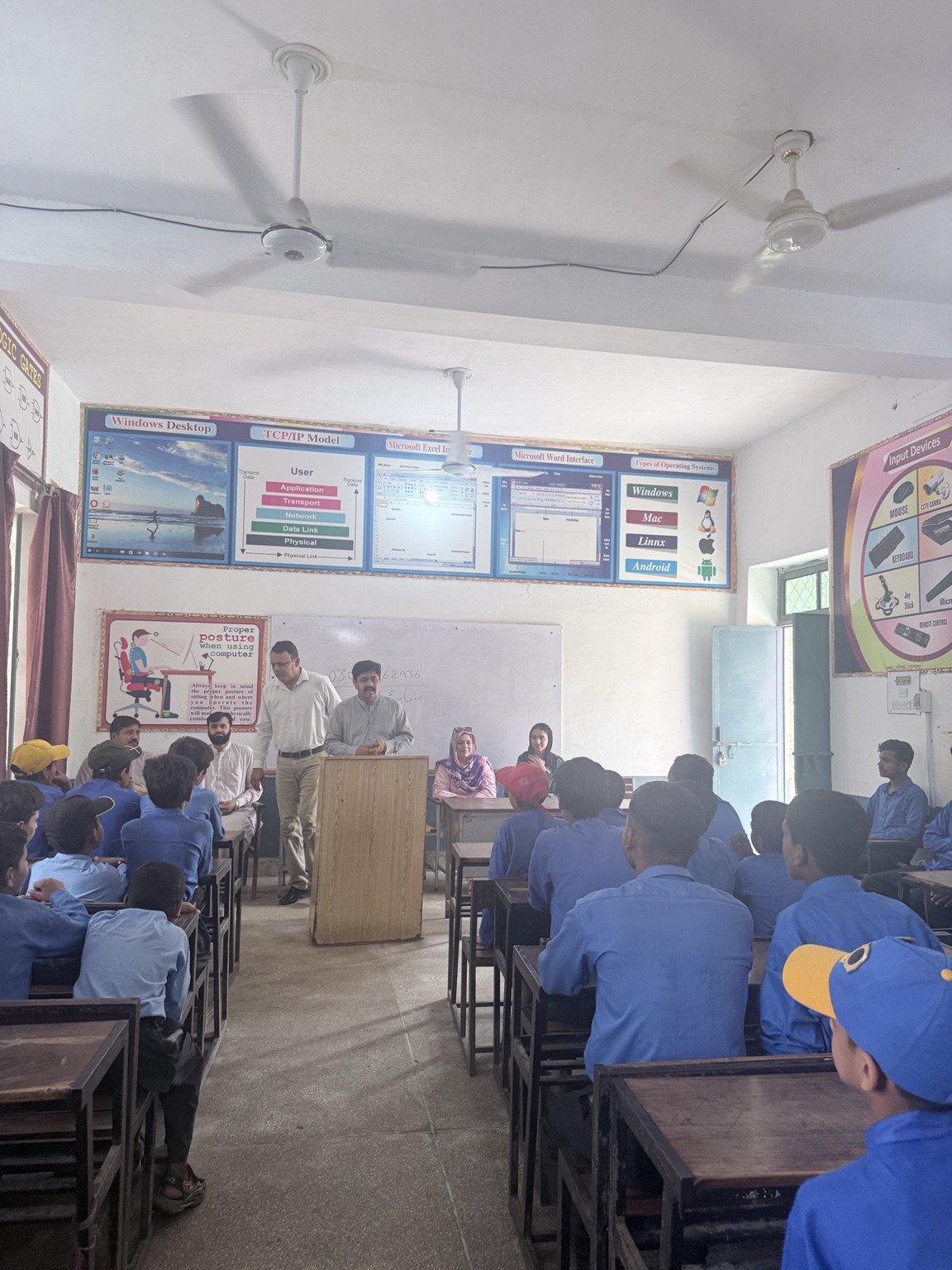
THE LOCAL GAP
School leaders told Noor they lacked the equipment and organized activities needed to keep children safely engaged. When breaks became rowdy, students could be sent home.
The proposed next step is larger than a donation: build a workable recess system with enough equipment, fair access, simple game choices, supervision, storage, and follow-up.
A PRACTICAL RECESS MODEL
Enough items that scarcity does not turn every game into a fight.
Soccer, cricket, badminton, jump games, and quieter options.
Clear rotations so girls, younger children, and beginners can join.
Age grouping, marked spaces, simple rules, and adult oversight.
A sign-out system so donated items remain usable.
Track participation, conflict, attendance, and equipment condition.
THE LONG VIEW